

If you’re a student, choosing the best credit card isn’t merely about chasing flashy rewards or eye-catching welcome bonuses. Instead, it’s about laying the groundwork for a strong and healthy credit foundation that will serve you well for years to come, all while avoiding costly financial missteps that can easily set you back. With that in mind, this in-depth guide will walk you through everything you need to know about the best credit cards for students, including why getting a student card can be such a smart move, how to carefully evaluate and choose the right one for your needs, which top options stand out (and exactly why they matter), and how to use your card responsibly so it builds your financial future rather than jeopardizing it.
Disclaimer: The information in this blog post reflects my personal opinions and research for educational purposes only. I am not affiliated with, sponsored by, or compensated by any of the companies or credit card issuers mentioned. All product details are accurate to the best of my knowledge at the time of writing, but you should always verify current terms, rates, and eligibility requirements directly with the issuer before applying.
By the end, you’ll have a clear, step-by-step understanding of how to make your first credit card work for you, not against you.

Why a student credit card can be one of your smartest moves
First, a quick reality check: a credit card used wisely is one of the fastest ways to build a credit history, which affects everything from loan rates to apartment rentals and even some job screenings. Student cards are specifically designed for people with limited or no credit history, offering lower barriers to entry and student-friendly perks like no annual fee or small welcome bonuses. Many issuers even allow approval for applicants with minimal history if you have proof you’re a student or a steady income.
That said, the upside only exists if you treat the card as a tool, not free money. Pay on time, keep utilization low, and avoid carrying balances as a habit, and your credit score will thank you.
How to choose the Best Credit Cards for Students (quick checklist)
Before we list cards, decide what matters most to you. Use this checklist:
- No annual fee. Students should avoid maintenance costs while establishing credit.
- Low or no minimum credit requirement. Some student cards are built for applicants with little to no credit.
- Reasonable APR / penalty terms. Interest hurts when you carry a balance, so know the rates.
- Rewards that fit your life. Flat cash back, rotating categories, or higher rates on dining/streaming, pick what you actually spend on.
- Tools to help build credit. Alerts, free FICO/score access, and automatic reporting help you track progress.
- Option to graduate to a better card. Some student cards automatically consider you for an upgrade as your credit improves.
If most of those boxes are checked, you’ve probably found a good fit.

Best Credit Cards for Students (what mainstream reviewers recommend and why)
Below are cards that consistently appear on “best of” lists for students in 2025. I’ve grouped them by typical student priorities.
Best overall student cards
- Discover it® Student Cash Back – Great for everyday students who want rotating 5% categories and automatic rewards matching in the first year. Discover’s student lineup also includes helpful tools and a forgiving approach to first-time applicants.

- Capital One Quicksilver Student Cash Rewards – A simple flat-rate cash-back card (easy to understand), with no annual fee and a straightforward rewards structure, good if you want simplicity.
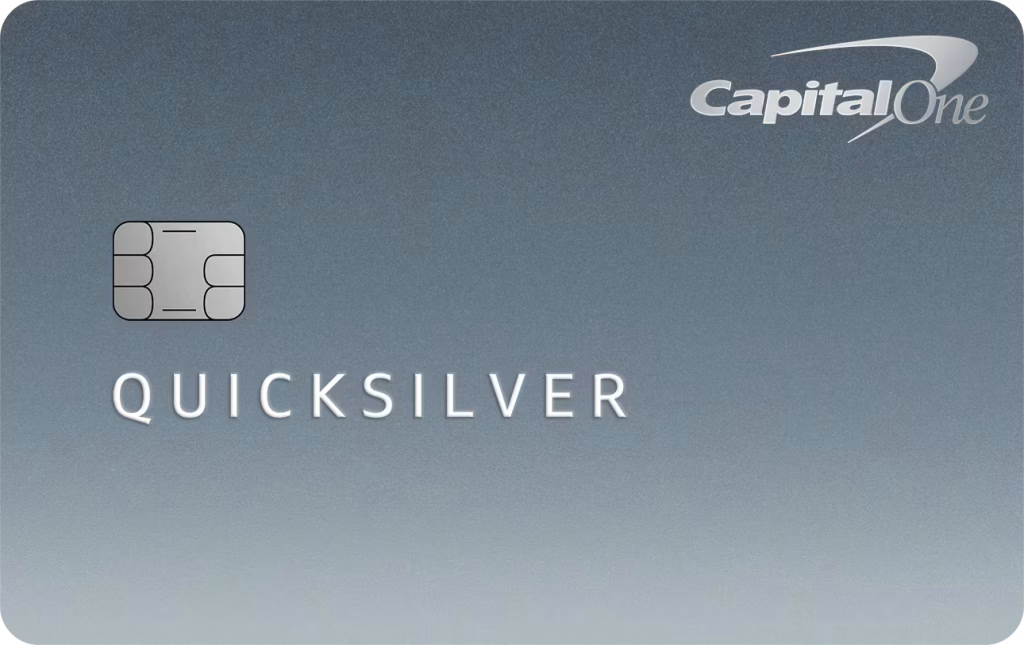
Why these show up often: they combine low/no fees, reward value, and practical credit-building features that suit student budgets. Multiple reviewers and card comparison sites list these among the top student picks.
Best for flat-rate cash back (no fuss)
- Capital One Quicksilver Student – Flat cash back on every purchase makes it easy to earn without tracking categories.
Best for rotating categories (higher short-term upside)
- Discover it® Student Cash Back – 5% rotating categories can yield strong cash back if your spending aligns with the categories that quarter. Remember to activate categories each quarter.
Best for students with no credit or international students
- Chase Freedom Rise® – Marketed as friendly to applicants with limited history and has features aimed at credit building; some reviewers call it a strong pick for students who don’t want a secured product. Check current issuer guidelines and approval odds before applying.

Best secured credit-builder options
If you can’t qualify for an unsecured student card yet, a secured card can be the right first step. You deposit a security amount and the issuer extends a line of credit equal to that deposit; many report to the major bureaus so you can build history. Examples include issuer-secured products listed in Experian and other review roundups.
How to use your student card responsibly (rules that actually matter)
A card’s benefits or rewards are worthless if your credit suffers. Use these rules as your operating system:
- Always pay your statement balance in full every month. Avoid interest and build a habit of paying bills on time. If you must carry a balance, try to avoid it becoming a pattern. (This single habit is the most important.)
- Keep utilization below ~10-30%. That means if your credit limit is $500, try to keep the balance under $50-$150 at statement close. Lower utilization helps your score.
- Set autopay for at least the minimum, but aim to pay full. Autopay avoids missed payments; missed payments hurt scores fast.
- Use rewards, but don’t overspend to chase them. Rewards are nice, but only if they’re a byproduct of normal spending you can pay off.
- Monitor your credit score and statements monthly. Many student cards offer free score access. Watch for identity theft and unauthorized charges.
- Graduate your card when you can. As your credit improves, ask the issuer about upgrades to mainstream no-fee cards with better rewards. This preserves your credit history but gives you better perks.

Common mistakes students make (and how to dodge them)
- Treating the card like extra cash. If you can’t pay it off, don’t charge it.
- Ignoring the statement due date. A late payment can cost you fees and a ding to your score.
- Applying for too many cards at once. Multiple hard inquiries can temporarily lower your score. Space applications over time.
- Not tracking spending. A credit card makes small purchases painless until the bill arrives.
Secured card vs. unsecured student card: which one should you pick?
- If you have no credit history: a secured card is often the surest way to build a history because approval odds are higher, and you can control the deposit amount. Experian and other credit education sites list several solid secured options.
- If you have some income or a cosigner/authorized user route: some issuers offer student or entry-level unsecured cards to applicants with limited history. Those cards often come with rewards and the ability to upgrade later.
How to improve your approval odds as a student
- Show steady income or a steady funding source. Even part-time income helps.
- Apply as an authorized user on a parent’s card (with their permission) to piggyback positive history but choose a trusted cardholder.
- Consider a secured card first and then ask for a security deposit return or upgrade after 6–12 months of good behavior. Many issuers review accounts for upgrades automatically.

What reviewers look for (and why it matters)
Credit card reviewers such as Bankrate, NerdWallet, and CreditCards.com analyze cards by fees, APRs, rewards value (based on sample spending profiles), welcome offers, and credit-building features. These methodologies help you compare apples-to-apples rather than marketing claims. When choosing, look for a card that scores well across the factors that matter to you (no fee, reasonable APR, credit tools, and usable rewards).
Real-world examples: two student budgets and how to pick
Example A – The commuter student who spends primarily on gas and groceries:
If you’re the kind of student who drives to campus regularly and finds that most of your budget goes toward fuel, groceries, and everyday essentials, then a flat-rate cash-back student card, such as the Capital One Quicksilver Student, could be an excellent choice. Alternatively, if you prefer a little variety and don’t mind tracking rotating categories, a card that offers quarterly bonus rewards on groceries or gas could help you earn even more cash back on purchases you already make. In either case, these cards allow you to maximize rewards effortlessly, simplify your finances, and build credit at the same time, all without adding unnecessary complexity to your life.
Example B – The streaming-and-dining student:
On the other hand, if most of your spending goes toward eating out with friends, ordering takeout, or paying for streaming subscriptions, then it makes sense to choose a student credit card that offers higher rewards on dining, entertainment, or digital subscriptions. That way, every time you grab a coffee, stream your favorite show, or order dinner online, you’ll be earning cash back that can go right back into your student budget. However, it’s essential to remember that these rewards only truly benefit you if you pay off your full balance every month. By doing so, you’ll enjoy the perks without paying interest, and you’ll continue building a strong, positive credit history while making your everyday spending work harder for you.

FAQs for the Best Credit Cards for Students (short answers)
Q – Will a student card hurt my chances of getting a mortgage later?
A – No. A healthy credit history with on-time payments helps you qualify and secure better rates when you apply for bigger loans later.
Q – How long until my credit improves?
A – You can see positive changes within months if you pay on time and keep utilization low, but meaningful, stable improvement takes time and consistent behavior.
Q – Can I get a credit card as an international student?
A – Yes. Some cards and issuers specifically help international students (or offer secured options); approval rules vary so research issuer requirements.
Final checklist before you apply
- Confirm the card has no annual fee (or the fee is worth it for your spending).
- Check the APR and penalty terms. Know what happens if you miss a payment.
- Look for credit-building features (score access, alerts).
- Compare rewards vs. your real spending, pick the card that rewards what you already buy.

The Best Credit Cards for Students
Student credit cards can be an incredibly powerful starting point for anyone looking to build and strengthen their credit history, but their true value only shines when they’re used wisely and responsibly.
In the beginning, it’s best to start with something simple and manageable, such as a no-annual-fee student card or a secured credit card, so you can focus on forming good habits without worrying about extra costs. From there, make it a top priority to pay your balance in full every single month, since doing so not only helps you avoid interest charges but also demonstrates reliability to lenders.
At the same time, try to keep your credit utilization low, ideally below 30%, or even better, under 10%, because maintaining a low balance relative to your limit signals that you’re managing credit responsibly. Additionally, view any cash-back offers, points, or other rewards as an added perk, not as an excuse to spend more. By consistently following these habits over time, you’ll gradually see your credit score grow, giving you access to better financial opportunities in the future, all while enjoying a few extra rewards and benefits along the way.
With love and financial empowerment,
E
Discover more from The Money Minded Mom | Personal Finance Blog
Subscribe to get the latest posts sent to your email.


